It takes a lot to drag me out of retirement. And yet, with the announcement of their first game, Singularity 6 has managed just that. Palia looks to be a tranquil, laid-back experience that’s heavy on social bonds and community building, and light on the competitive combat that dominates online gaming today. And that potent combo is totally my jam.
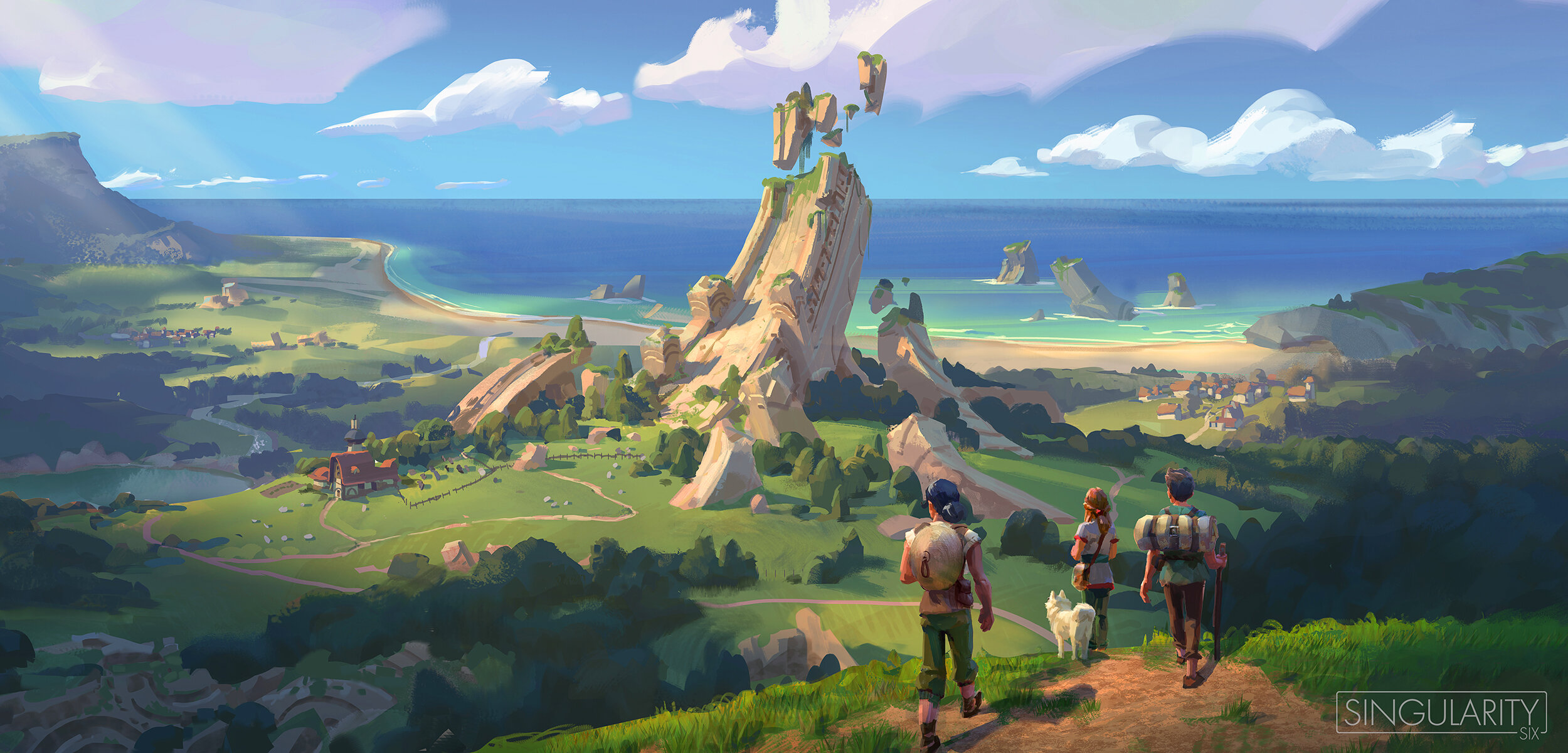
There’s hints of Stardew Valley, Animal Crossing, and Legend of Zelda: Breath of the Wild in the lush new announcement trailer, with beautiful scenery and curious characters captured directly in-game. The post-apocalyptic vibe has also grabbed attention with WildStar’s legacy playerbase, which is just as well considering Palia will be a full-fledged MMO. A new home for lost souls to call their own? Possibly.
Peeking behind the curtain a little, Singularity 6 was formed by Aidan Karabaich and Anthony Leung, two former Riot Games devs that quit the LoL-house to start something new. Their premise was to build a cozy world, a “community simulation MMO.” And it’s an idea that’s attracted big money, with investors like a16z, FunPlus Ventures and London Venture Partners backing the studio to nearly $20 million. After attracting talent from Blizzard, Epic, Riot and even Carbine (Karabaich was the former Spellslinger class designer), the studio now feels confident about lifting the lid on this ambitious project
But what exactly is Palia? The premise is steeped in high fantasy, where thousands of years have passed since humanity last walked upon the world. Hallmarks of their grand civilization and monuments to their mastery of magic litter the landscape, but the lost race had vanished into legend. Today, on the cusp of being forgotten, humans have started to re-emerge.
As one of these re-appearing humans, we’ll be discovering a world that has learned to move on and live without humanity’s influence, building a home for ourselves in a familiar and friendly yet utternly different community.
We’re told that gameplay will include gardening, fishing, cooking, and more, with skills levelling up and unlocking new abilities. I’m hoping that these will include social aspects, like being able to work on big gardening projects together and engaging in cooking challenges Overcooked-style. It’s a fair guess to assume that we’ll also have to gather and farm materials for our crafting projects, which gives the potential for expeditions to locate rare and precious resources.
It’s also fair to say that the pandemic has probably helped to shape some of these ideas. Singularity 6 is open that many staffers have never met face-to-face, relying on games to learn about each other and build bonds. MMOs have long been about forging communities across cities and continents, and the year-plus in lockdown may have ended up being a stimulating boon to the studio.
Either way, Palia looks set to be almost unchallenged in the online gaming space. Low competitive gameplay, high social focus, plus a cozy and welcoming atmosphere sound like a shot in the arm for the MMO genre. And I’m totally down with that.


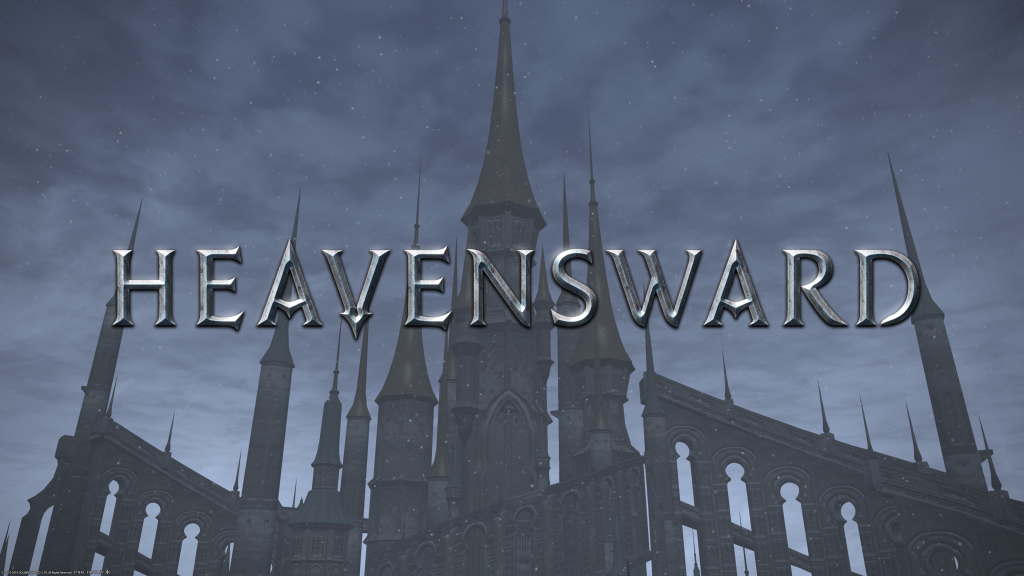 Last week, I witnessed a potent fantasy story come to an intense climax. Heroes took to the ramparts of an ancient citadel, joining battle against a monstrous foe that feasted on vengeance for a thousand years. It felt like the end of a journey, but the Warrior of Light could barely pause for breath before the nation of Eorzea cried out for aid once more.



 Over the last few years, I’ve developed a bit of a January ritual. I look at the games coming out and think about what I want to play, and there’s
 New year, new game. Back in December, I mentioned that I’d be


 When I look back at 2017, the MMO landscape is tinged with disappointment. Destiny 2, my big hope for online extravagance, failed to live up to expectations. World of Warcraft has hit another lull in the gulf between expansions. Over the last 12 months, nothing new has truly landed and stuck.